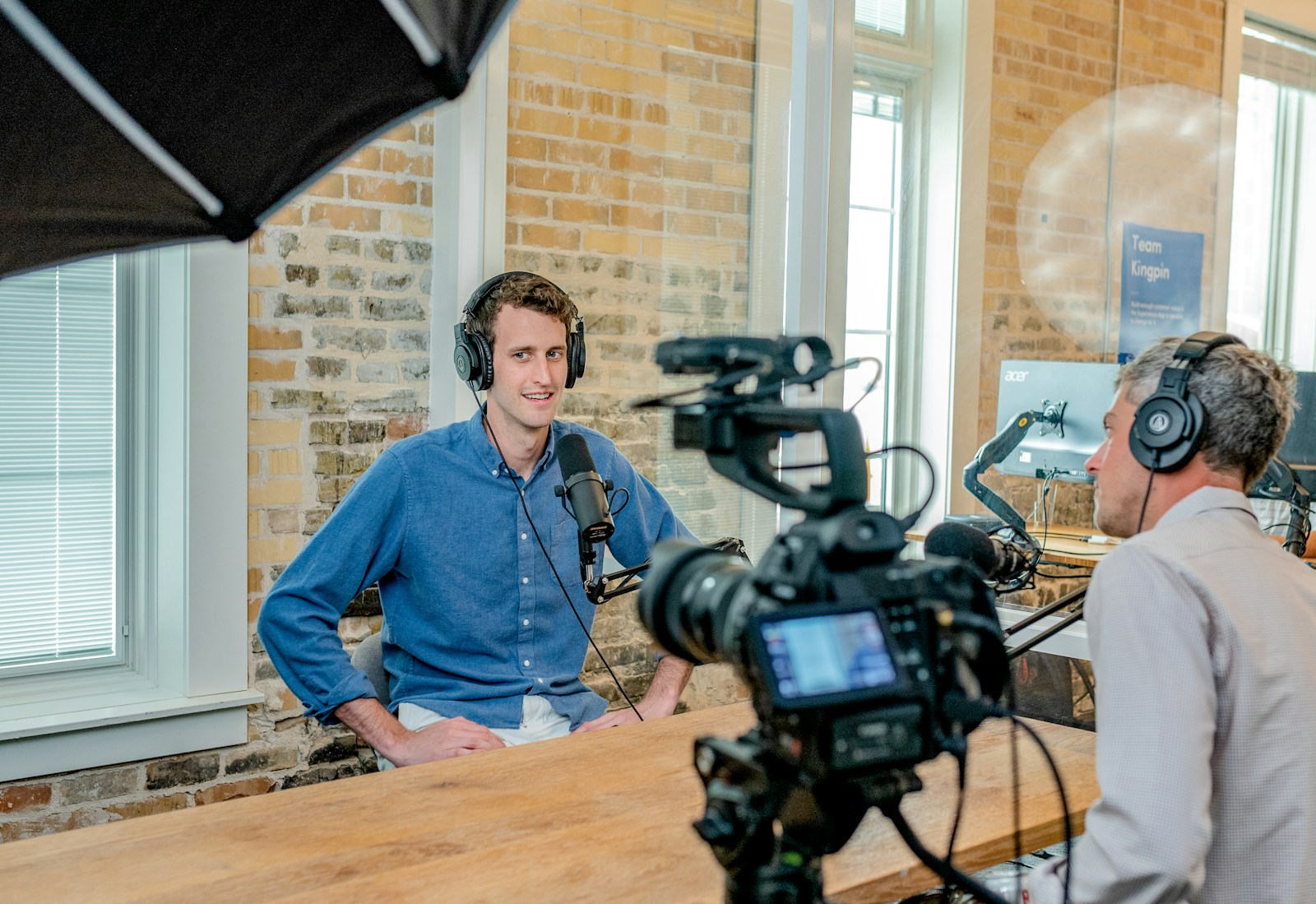
A striking number of academics still avoid speaking to journalists, even though public trust in experts has never mattered more. Here’s why that’s a missed opportunity, and how Oxford Media Training helps researchers turn complex ideas into stories that stick.
Media avoidance by some of the best brains in the world is still a thing in 2025
Let’s be honest: academics and the media haven’t always been the best of friends. A UK study of more than 2,500 academics led by the Wellcome Trust revealed that 77% had never spoken to a newspaper journalist and 82% had never done a radio interview.
Across the Atlantic, things aren’t much different. A 2023 U.S. study into science communication found that while most scientists believe media coverage is valuable, many still hesitate to engage with journalists, worried about oversimplification or misrepresentation.
That means a huge pool of credible expertise is staying silent, and the public conversation suffers as a result.
Why so few academics talk to journalists
The problem: academia and journalism speak different languages. Academics deal in nuance, precision and evidence. Journalists deal in clarity, speed and storytelling. Compressing years of research into a 15-second clip can feel impossible. And for many, it’s easier to avoid the spotlight altogether.
Then there’s the issue of trust. One poorly handled quote can put someone off the media for good. But staying silent doesn’t protect your message, it just leaves the stage to someone else.
Speaking to journalists isn’t “dumbing down”
Good communication isn’t simplification. It’s translation. The goal isn’t to strip away complexity, but to make your ideas accessible and engaging. Think of it like teaching: you adapt your explanation for the audience, without losing your integrity.
With the right tools and plenty of practice, you can make sure your research is reported accurately — and powerfully.
How Oxford Media Training helps
At Oxford Media Training, we specialise in helping academics, researchers and university leaders feel confident when engaging with the media. As an experienced former BBC journalist, I understand both sides of the interview table. I know the only way to build confidence is through doing, not just talking. Which is why practice sits at the heart of every session.
- Get lots of on-camera and on-mic practice in realistic media interviews
- Learn to prepare effectively and anticipate tricky questions
- Discover how to make complex research sound clear and compelling
- Stay in control of your message, even under pressure
I don’t just tell you what to do, I coach you through it, step by step, until it feels natural. The result? Real confidence that lasts long after the training ends.
Learn more about our media training for academics
Why this matters
Your research deserves to be heard. Media engagement isn’t about ego or publicity. It’s about impact. Every time an expert declines an interview, the conversation moves on without evidence-based insight. The public needs informed voices, and journalists need trusted experts. That’s where skilled communicators make all the difference.
Ready to take your seat in front of the camera?
Academia and the media don’t have to be at odd – they can be allies.
At Oxford Media Training, we’ve helped hundreds of academics transform from cautious speakers to confident, engaging communicators. The secret? Lots and lots of practice. Because confidence isn’t something you read about, it’s something you do.
📞 Ready to make your research heard? Get in touch with us today — and let’s make sure your story reaches the audience it deserves.
No responses yet